The College’s Mosquitogenic Situations Control Office oversees the prevention and control of mosquito breeding within the campus and its surroundings — protecting the College community from vector-borne diseases and contributing to wider public-health goals. The Office carries out monthly inspections of the College premises and coordinates fogging operations with the Chandigarh Administration.
The National Vector Borne Disease Control Programme (NVBDCP) is the national framework for the prevention and control of vector-borne diseases — including Malaria, Dengue, Chikungunya, Japanese Encephalitis (JE), Kala-azar and Lymphatic Filariasis — implemented as an integral part of the National Rural Health Mission (NRHM) of India.
The Cell’s preventive and control activities directly target the vectors of the six diseases prioritised under NVBDCP:
Caused by Plasmodium parasites, transmitted through the bite of infected female Anopheles mosquitoes.
A viral disease transmitted by Aedes aegypti — typically peaking during and after monsoon months.
A viral infection causing high fever and joint pain, also transmitted by Aedes mosquitoes.
A serious viral disease affecting the brain, spread by Culex mosquitoes in rural and peri-urban areas.
Visceral leishmaniasis — a parasitic disease transmitted by sandflies, targeted under NVBDCP.
A parasitic disease causing severe disability, transmitted by mosquitoes in endemic regions.
The Office is led by a dedicated Nodal Officer, with support from administrative and grounds staff for ground-level implementation.
The Cell carries out monthly inspections of College premises — including overhead water tanks, hostel, canteen, botanical garden and outer areas — to identify any stagnant water source and prevent the breeding of mosquitoes at the larval stage. Inspection reports are submitted to the College office.
As a preventive measure against vector-borne diseases, fogging operations are conducted on the campus with the help of the Chandigarh Administration — particularly in the pre-monsoon and post-monsoon months — to interrupt the transmission cycle.
Regular reminders are issued to all on-campus stakeholders to take precautionary measures against the breeding of mosquito larvae — covering water-storage units, draining stagnant pools and cleaning containers.
The following are kept in the loop through periodic reminders from the Office:
Pre-monsoon vector-control fogging carried out across the College premises in coordination with the Chandigarh Administration — covering hostel surroundings, canteen, botanical garden and outer areas.
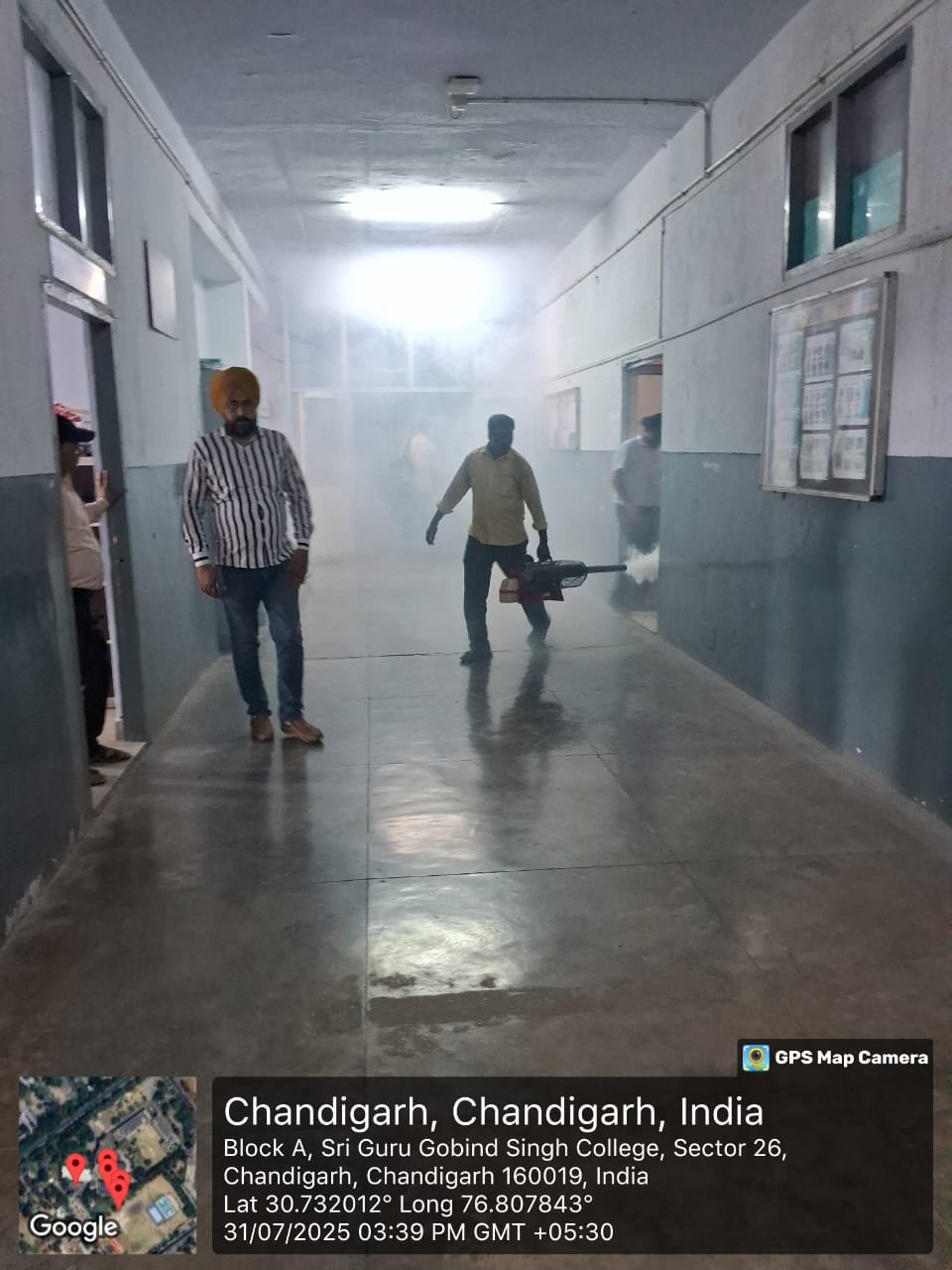 31 Jul 2025
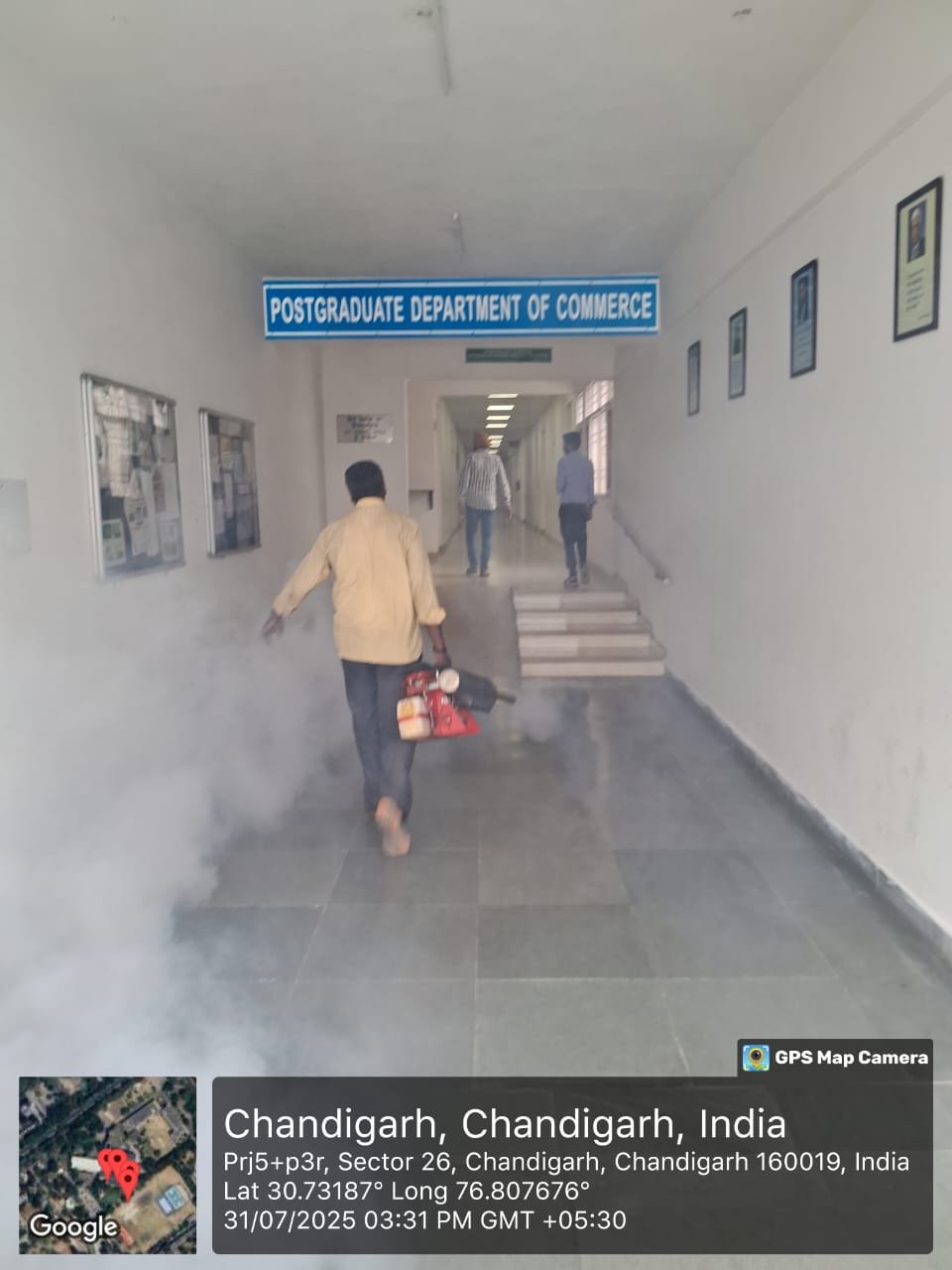 31 Jul 2025
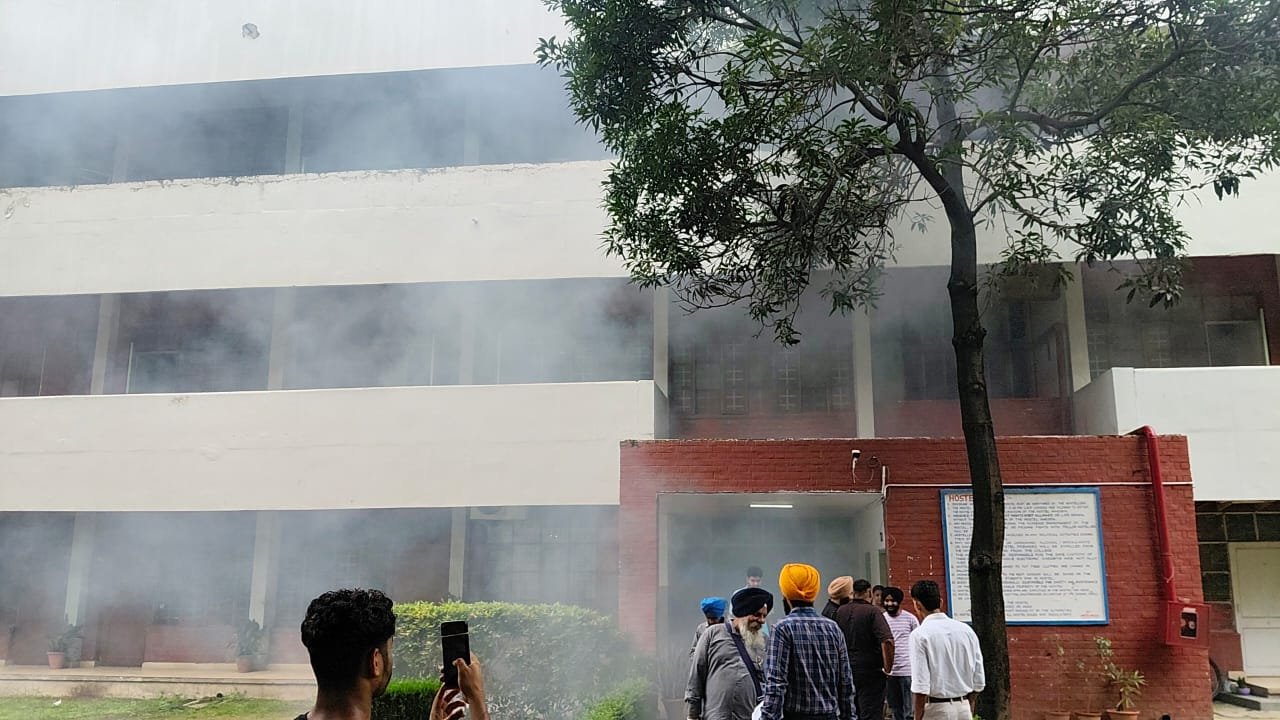 31 Jul 2025
A chronological record of major fogging operations and biological interventions undertaken by the Cell in coordination with the Chandigarh Administration:
Source-reduction is the single most effective method of vector control. Each member of the College community can contribute by following these everyday practices:
Do not allow water to stand in containers, flower pots, coolers or open drums — a single bottle-cap of standing water can host hundreds of mosquito larvae.
Cover all water-storage tanks, drums and containers tightly with well-fitting lids or fine-mesh netting.
Empty and clean cooler trays, bird baths and pet bowls at least once a week, scrubbing the inner walls.
Wear full-sleeved clothing during peak mosquito hours (early morning & dusk) where possible.
Use mosquito repellents, screens and bed nets in residential and hostel areas — particularly during monsoon months.
Report any prolonged water-logging on campus to the Cell or the grounds office at the earliest.
If you experience high fever, severe headache or persistent body ache, consult a doctor without delay — early treatment dramatically improves outcomes for dengue and chikungunya.