“Advanced India Mission”
Bridging the Urban-Rural Divide
Ministry of Education, Government of India
A novel initiative under the Ministry of Education that envisions transforming India by including Rural India in all policy measures and their implementation.
To bring about transformational change in rural development processes by leveraging knowledge institutions to help build the architecture of an Inclusive India — bringing a paradigm shift in the academic and research programmes of the country.
To enable higher educational institutions to work with the people of rural India in identifying development challenges and evolving appropriate solutions for accelerating sustainable growth.
To create a virtuous cycle between society and an inclusive academic system, providing knowledge and practices for emerging professions, and to upgrade the capabilities of both the public and the private sectors in responding to the development needs of rural India.
The six primary domains that guide the College's UBA outreach — together forming a holistic rural-development blueprint.
Promoting chemical-free agricultural practices, soil health awareness, and sustainable cultivation methods that protect both farmer and consumer.
Encouraging solar, biogas, and other clean energy solutions in rural households — reducing dependence on conventional fuels.
Supporting traditional artisans, rural enterprises, and livelihood opportunities through skill-building and market linkages.
Awareness on water conservation, rainwater harvesting, ground-water recharge, and judicious use of irrigation resources.
Strengthening access to sanitation, drinking water, healthcare, education, and digital literacy for every village resident.
Aligning all the above with central, state, and local government schemes — so that interventions deliver compounded, lasting impact.
Five villages adopted by Sri Guru Gobind Singh College under the Unnat Bharat Abhiyan — each a partner in our community-engagement journey.
This initiative of the College helps in understanding the problems faced by these villages and arriving at viable solutions through community awareness and social outreach programmes. Faculty and students engage with villagers through field visits, surveys, awareness camps, and skill-development workshops — ensuring that interventions are grounded in lived rural reality and remain sustainable beyond the project window.
Field visits and awareness drives across adopted villages and partner locations.
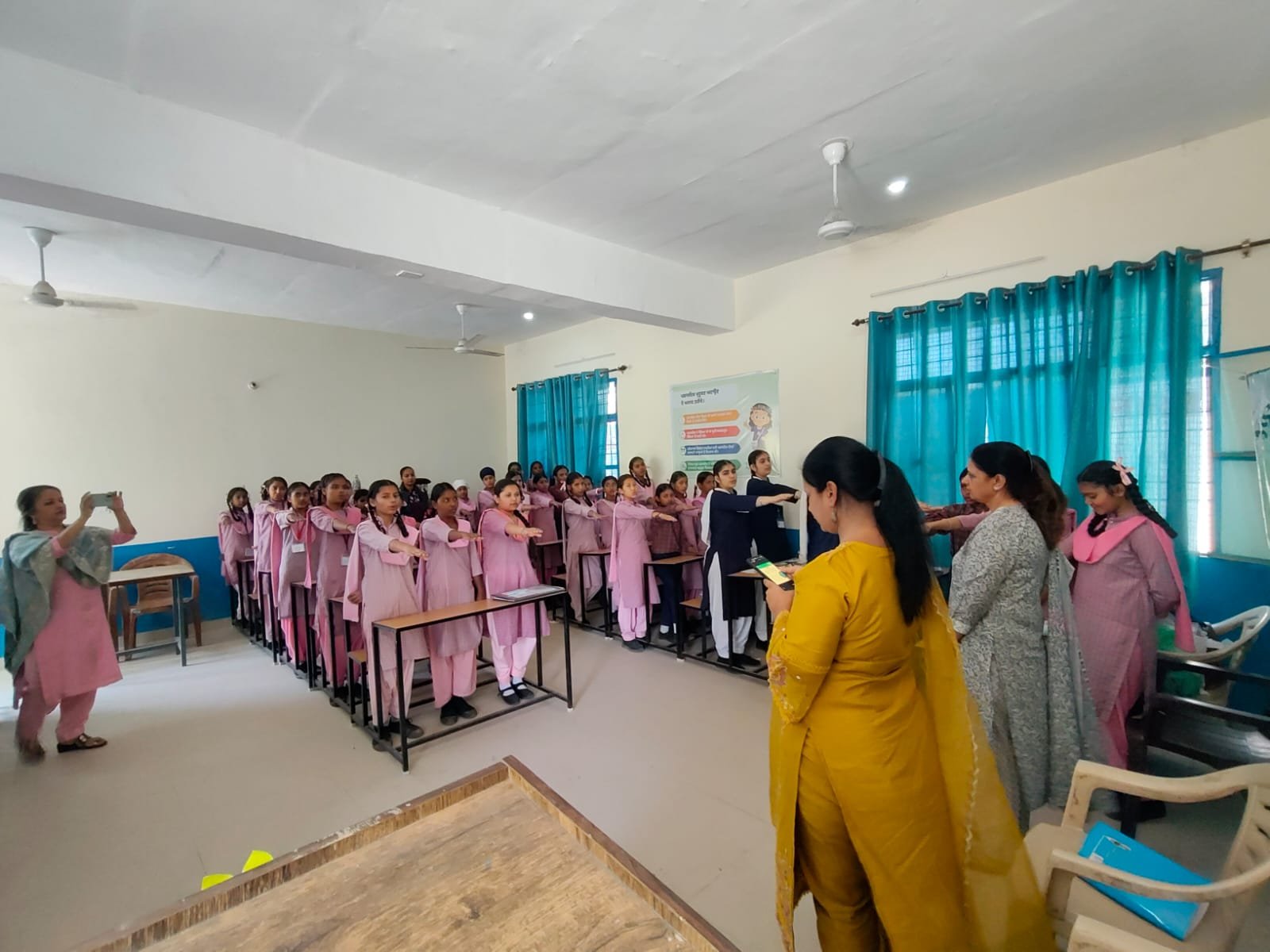 Environment Awareness
Environment awareness programme conducted at Government Girls School, Sohana — sensitizing students to environmental challenges and protective action.
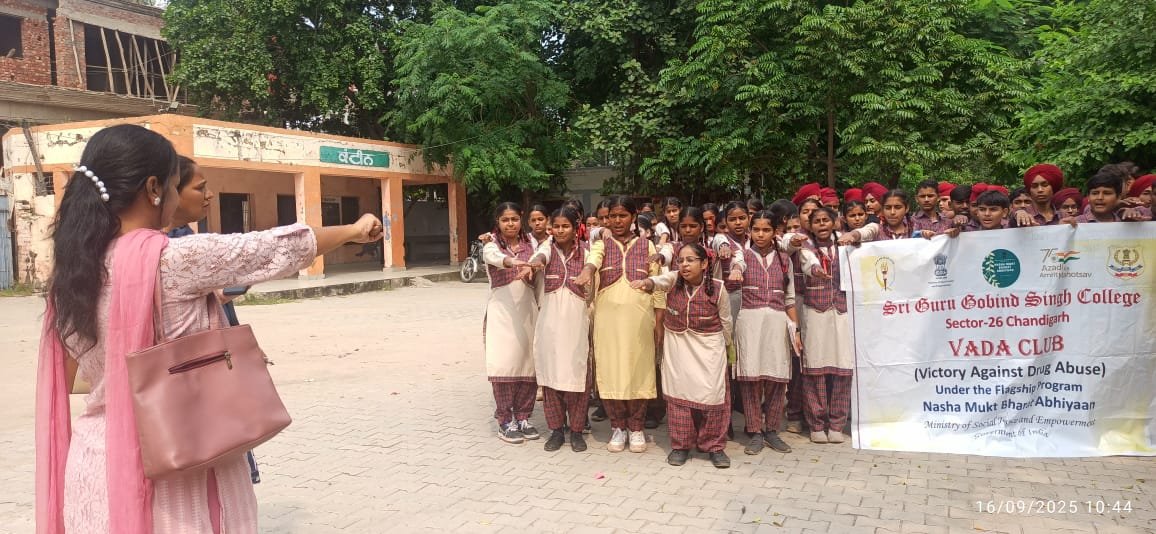 Drug Abuse Awareness
Drug abuse awareness campaign at adopted village Manauli — engaging school children and villagers on the dangers of substance abuse and the value of healthy lifestyles.
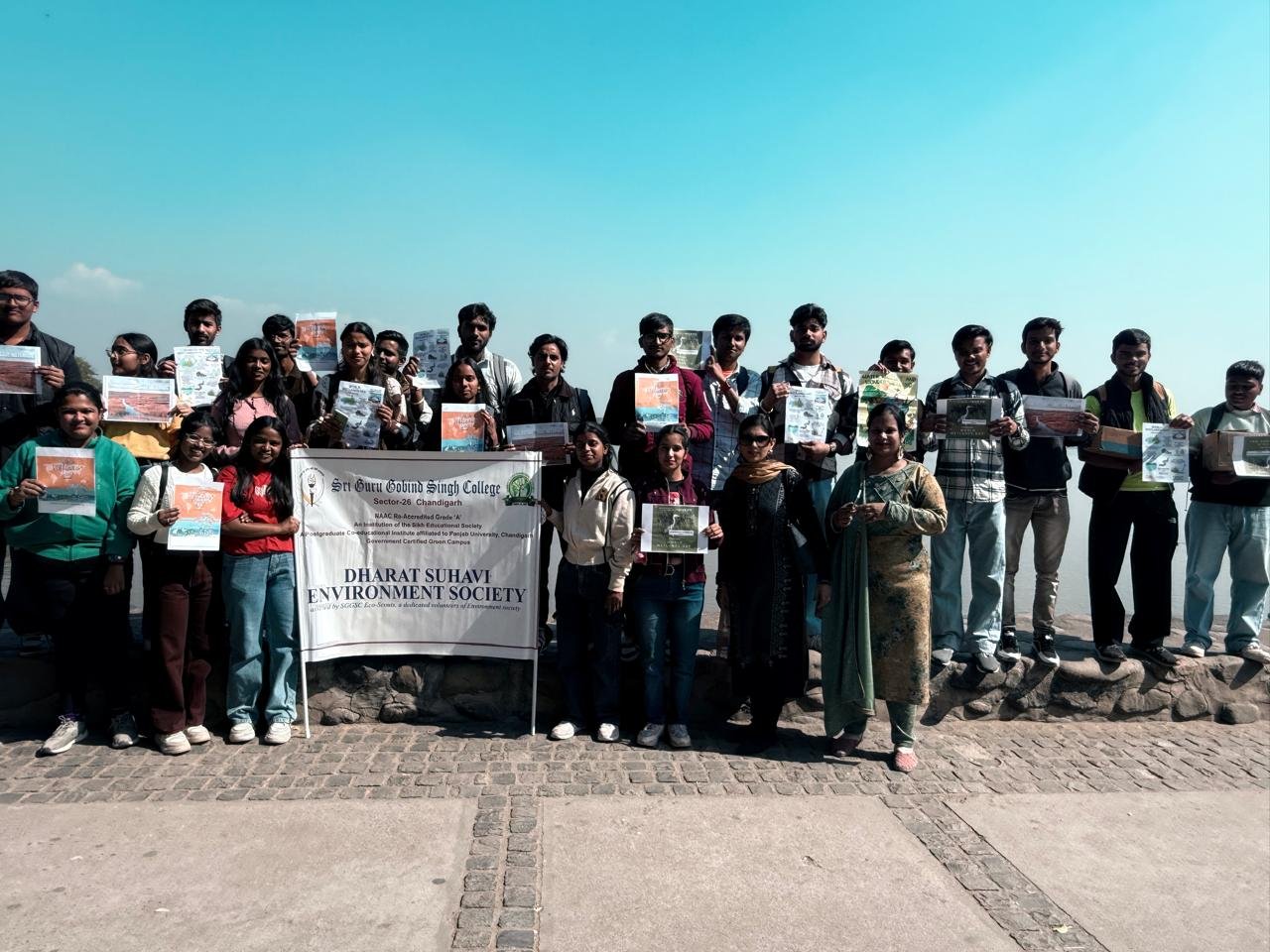 Wet Land Day
Awareness rally at Sukhana Lake, Chandigarh, marking Wet Land Day 2025 — sensitizing students to wetland values, resource use and environmental importance.
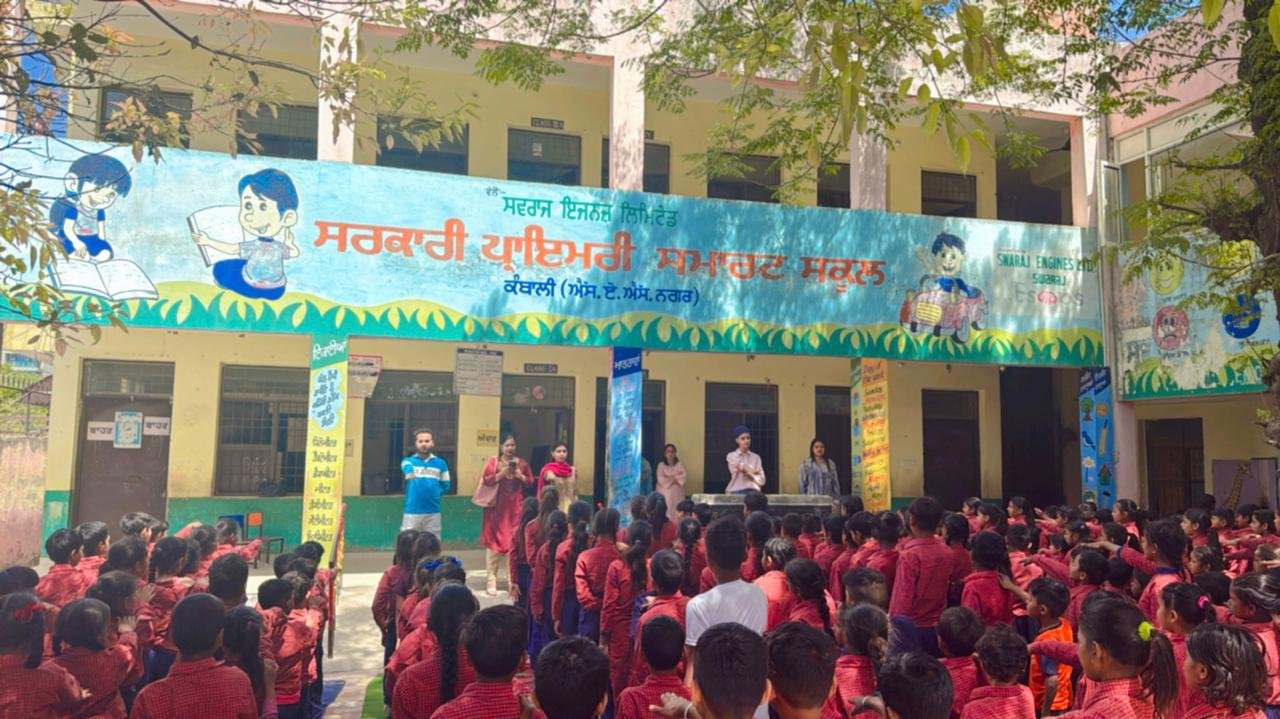 World Water Day
World Water Day celebration at Village Kambali — community awareness on water conservation, rainwater harvesting, and the role of every household in protecting this vital resource.
A chronological log of UBA-coordinated events during the 2025–26 academic session, conducted in collaboration with the Innovation Cell, Gender Champion Club, Dharat Suhavi Environment Society, ELC, NCC and IIC.
Expert session on startups and entrepreneurship under the aegis of Viksit Bharat Abhiyan. Resource person Ms Tanushree Chandra (Startup Mentor, Incubation & Entrepreneurship Development Expert) informed participants about the My Bharat Portal and various Government Startup schemes, and how students can choose entrepreneurship as a career option. The session closed with all participants and the Principal taking the Viksit Bharat Pledge.
SGGS College, in collaboration with NITTTR Sector 26, Chandigarh, organised a State-level Poster Making Competition on the theme “One World, One Health — Stop Zoonoses” and a Reel Making Competition on the theme “Save Environment” — aimed at raising public awareness about zoonotic disease and environmental safety.
SGGS College organised Wet Land Day by sensitizing students about wetlands at Sukhana Lake, Chandigarh. The day was marked to raise awareness across all sections of society about the values and functions of wetlands, the utilization of their resources, and their environmental importance. Students and faculty members also took out a rally at Sukhana Lake to mark the celebration. (See gallery in the Adopted Villages tab.)
SGGS College organised World Ozone Day 2025 at Government Senior Secondary Smart School, Village Manauli — one of the adopted villages. An expert talk on the importance of protection of the stratospheric ozone layer was conducted, alongside an awareness rally with school students.
To celebrate the 16th National Voters' Day on the theme “My India, My Vote”, the College organised three online competitions on 21 January 2026 — Reel Making, Essay Writing and Slogan Writing — followed by a pledge taking ceremony on 23 January. Cash prizes were awarded by the Principal to winners of the 1st, 2nd and 3rd positions across all three competitions, spreading awareness about the importance of voting among students who have attained the age of 18.
SGGS College celebrated International Women's Day by felicitating women trailblazers who have excelled in their respective fields. An expert lecture was delivered by Dr Harshneet Kaur on “Pain Relief vs. Pain Recovery: What Are You Really Choosing?”. NCC cadets presented lively Bhangra and Nati performances, creating an atmosphere of enthusiasm and festivity, while the event highlighted the importance of women's empowerment, health awareness and societal contribution.
The faculty member leading the College's Unnat Bharat Abhiyan initiatives, village outreach, and community-engagement programmes.
UBA Coordinator · Sri Guru Gobind Singh College, Sector 26, Chandigarh
Leads the planning, execution, and monitoring of the College's UBA activities — coordinating with adopted villages, faculty teams, and partner agencies to deliver community-led, outcome-driven rural-development initiatives.